Is the Kidney Diet Advice You've Read Online Actually Up to Date?
By Rhiannon Hendra | Your Nutrition | Accredited Practising Dietitian specialising in Chronic Kidney Disease | Serving Melbourne, Frankston & the Mornington Peninsula
If you or someone you love has recently been diagnosed with chronic kidney disease (CKD) or has been managing it for years, you've probably done what most of us do: you've turned to Google for answers. And what you've likely found is a confusing mix of contradictory advice. Avoid all wholegrain bread. “Eat white bread instead. Cut out protein completely. Limit every banana and potato. Don't touch nuts, legumes, or dairy. Salt substitutes are a safe swap for regular salt.”
Here's what you need to know: much of that advice is outdated, and some of it could actually be harmful.
Nutritional guidelines for kidney disease have changed significantly over the past decade, and the gap between current clinical evidence and what's circulating online has never been wider. If you're managing CKD, understanding this gap and getting advice that's built around your stage of kidney disease and current blood results could make a meaningful difference to how well you manage your condition.
Why Online Kidney Diet Advice Can't Be Trusted at Face Value
The internet has no expiry date on information. An article written in 2010 can rank just as highly in Google search results as one published last month and you'd never know the difference unless you knew exactly what to look for. This is a particular problem in chronic kidney disease, where:
Nutritional guidelines have been substantially revised, including major updates from the Kidney Disease: Improving Global Outcomes (KDIGO) international guidelines in 2024 and a joint update from the National Kidney Foundation and the Academy of Nutrition and Dietetics (KDOQI) in 2020
Individual variation is enormous — what's appropriate for someone at CKD stage 2 may be actively inappropriate for someone at stage 4 or on dialysis
Your blood pathology and medical management from your specialised health team (not a generic food list) should drive most dietary decisions
Common comorbidities like diabetes, hypertension, malnutrition and cardiovascular disease make the picture more complex still
The result is that many Australians with CKD arrive at their first dietitian appointment following advice they found online that is not only outdated, but based on a one-size-fits-all framework that modern clinical practice has moved well beyond. Let's look at some of the most common examples.

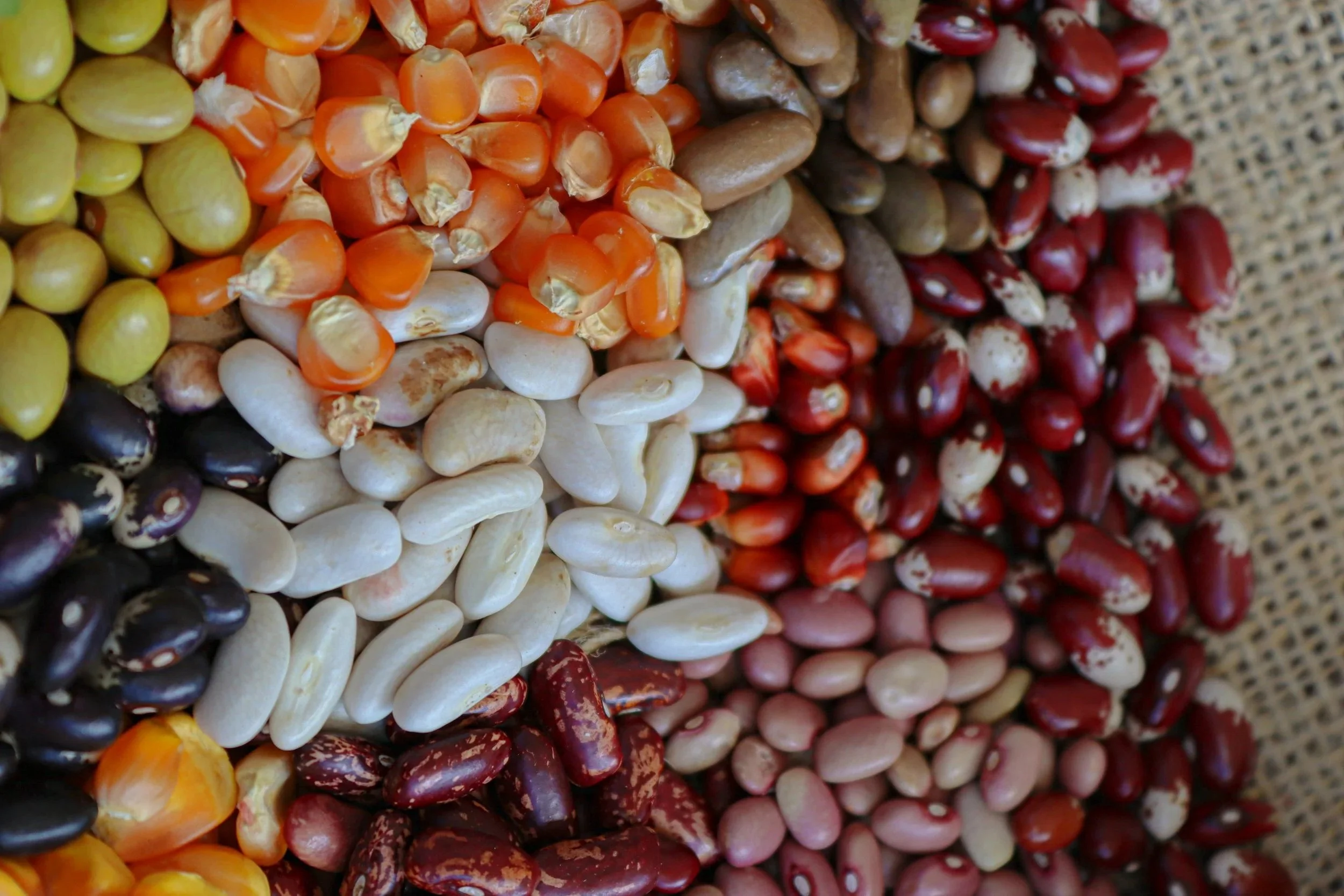
"Stick to White Bread - Avoid Wholegrain" This is one of the most persistent pieces of outdated kidney diet advice and one that often surprises clients when we work through it together. The original reasoning: wholegrain bread is higher in phosphorus and potassium than white bread, so white bread was the "safer" choice. On paper, this made sense. In practice, it missed a critical distinction that current guidelines now take seriously: not all phosphorus behaves the same way in the body.
Current evidence distinguishes clearly between:
Organic phosphorus — found naturally in whole foods including wholegrains, legumes, dairy, and nuts. Absorbed at a relatively low rate, particularly from plant sources.
Inorganic phosphorus — added to processed and packaged foods as a preservative, flavour enhancer, or additive. Absorbed at a very high rate — often close to 100%.
Commercial white bread, particularly supermarket varieties is commonly made with phosphate additives. Wholegrain bread, eaten in appropriate quantities, may deliver less bioavailable phosphorus than the white alternative people were told to choose, along with the added benefit of fibre, which supports gut health and may help reduce the buildup of uremic toxins.
The critical point: whether wholegrain bread is appropriate for you depends entirely on your current phosphate blood levels, your CKD stage, and your overall dietary pattern. A blanket "eat white bread" rule is no longer supported by current evidence, and it's a rule that continues to cause unnecessary dietary restriction for many Australians managing CKD.
"You Need to Severely Restrict Protein" Protein restriction has been a pillar of traditional kidney diet advice for decades. The logic was straightforward: protein metabolism produces waste products that the kidneys must filter, so less protein means less strain. What the evidence now tells us is considerably more nuanced.
The KDIGO 2024 Clinical Practice Guideline (the leading international standard) now recommends that most adults with CKD stages 3 to 5 who are not on dialysis maintain a protein intake broadly in line with general population recommendations: around 0.8 g per kilogram of body weight per day. Very low protein diets (0.3–0.4 g/kg/day) are now reserved for a specific subset of patients who are highly motivated, clinically stable, not metabolically unstable, and under close clinical supervision.
Why the shift? Because aggressive protein restriction without careful monitoring carries a real risk of protein-energy wasting (PEW) — a condition where the body breaks down muscle tissue for energy. PEW is associated with significantly worse clinical outcomes in CKD, including increased hospitalisation and mortality risk. Under-eating is as dangerous as over-restriction.
High protein intakes above 1.3 g/kg/day remain inadvisable for people at risk of CKD progression. But the goal is no longer "as little protein as possible." It's the right amount of protein for your body weight, your stage of disease, and your current clinical picture — something only a dietitian can determine for you with your blood results in hand.

"Avoid All High-Potassium Foods" Bananas. Avocados. Tomatoes. Potatoes. Many people with CKD are told to cut these out entirely and this advice is so widespread it has become almost synonymous with "the kidney diet." The reasoning is not unfounded: if kidneys can't excrete potassium efficiently, levels can rise in the blood (hyperkalemia), which can cause dangerous cardiac arrhythmias. Potassium management is a genuine clinical priority in CKD.
But the 2024 KDIGO guidelines have shifted the approach meaningfully. Routine blanket potassium restriction is now not recommended for people with CKD who do not have persistent hyperkalemia. Before dietary changes are made, guidelines advise identifying and addressing modifiable contributors, including metabolic acidosis, constipation, and certain medications such as RAAS inhibitors and potassium-sparing diuretics, which can independently elevate serum potassium regardless of dietary intake.
There's also a nuance that rarely makes it into online advice: potassium bioavailability differs significantly by food source. Potassium from plant-based foods is absorbed at a lower rate than potassium from animal products. And salt substitutes, which many people assume are a smart swap, are often made with potassium chloride and can significantly elevate potassium levels. For someone with CKD who is hyperkalemic, this seemingly healthy choice can be genuinely dangerous.
If your blood potassium is consistently within the normal range, you may not need to restrict high potassium whole foods at all. If your levels are elevated, a targeted and individualised dietary response, not a blanket elimination diet, is what current evidence supports.

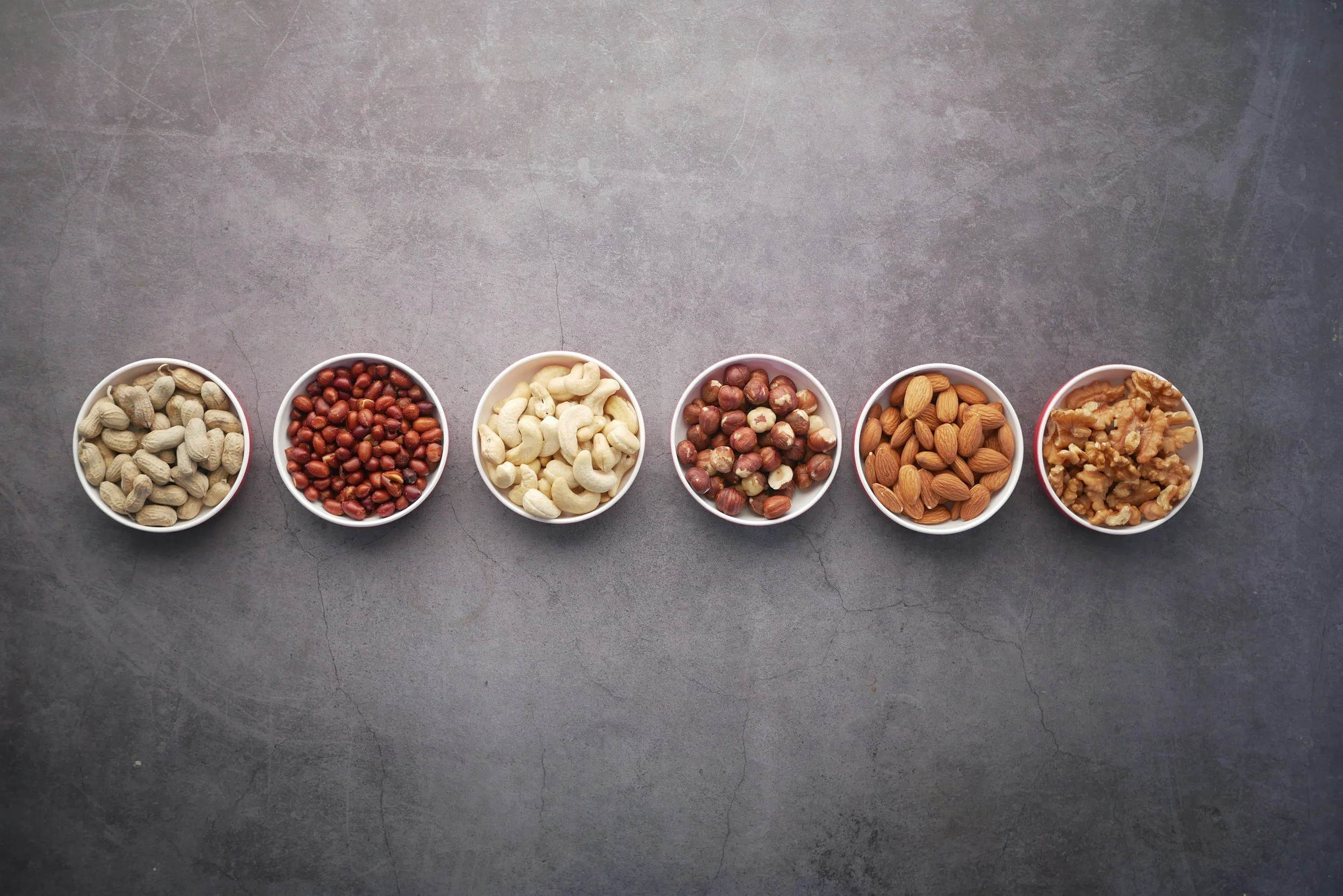
"Just Avoid Dairy, Nuts, and Cola for Phosphorus" The older approach to phosphorus management focused on eliminating high-phosphorus food categories: dairy, nuts, seeds, legumes, wholegrains, and cola drinks were all commonly placed on the avoid list. Today, the emphasis has shifted significantly from what foods to avoid, to where the phosphorus comes from.
Phosphate additives used in processed meats, fast food, packaged snacks, flavoured drinks, and convenience foods are absorbed at nearly 100% by the body. The naturally occurring phosphorus in dairy, legumes, and nuts, particularly plant sources is absorbed at a much lower rate.
Restricting nutritious whole foods while continuing to eat heavily processed products is unlikely to achieve meaningful phosphate control, and may worsen overall nutritional status and diet quality in the process.
Current guidelines from both KDIGO 2024 and KDOQI 2020 now recommend an individualised approach to phosphorus management based on serum phosphate levels, CKD stage, and risk of CKD-mineral and bone disorder — not a universal food avoidance list.
What the Latest Guidelines Actually Say
Two major evidence-based updates have reshaped best practice in kidney nutrition. Both share a common direction: The goal is no longer restriction. It is dietary quality, diversity, and personalisation.
The KDIGO 2024 Clinical Practice Guideline recommends:
Adopting a plant-forward diet, favouring plant-based foods over animal-based foods — a firm recommendation that earlier guidelines never made
Reducing ultra-processed food intake across all CKD stages
Encouraging fibre and wholegrains where blood results allow
Managing electrolytes based on individual laboratory values, not blanket population rules
Involvement of a renal dietitian as an integral and essential component of CKD management
The KDOQI 2020 Guideline - a joint update from the National Kidney Foundation and the Academy of Nutrition and Dietetics similarly calls for individualised protein targets, medical nutrition therapy across all CKD stages (including dialysis and post-transplant), and routine nutrition screening at least every six months.
This is a meaningful shift that moves kidney nutrition away from rigid, difficult-to-follow restriction lists and toward a whole-diet, whole-person approach grounded in your current clinical status.
Why Your Blood Results Matter More Than Any List
Here is the most important thing to understand: There is no single kidney diet that applies to everyone with CKD.
Your dietary needs are shaped by a specific combination of factors that change over time:
Your eGFR (estimated glomerular filtration rate) and CKD stage
Your most recent blood pathology - including potassium, phosphate, sodium, bicarbonate, albumin, haemoglobin, and urea
Your medications and how they interact with electrolyte levels
Comorbidities such as type 2 diabetes, cardiovascular disease, or hypertension
Your body weight, muscle mass, and risk of protein-energy wasting
Your individual food preferences, lifestyle, and cultural background
These factors change with every specialist appointment. What was appropriate for you twelve months ago may not reflect your clinical picture today. A dietary plan that isn't regularly reviewed against your current pathology isn't really a plan but more a guessing game.
This is why dietary advice for CKD cannot be static, cannot come from a generic online article, and cannot be separated from the management plan your nephrologist or specialist has in place.
Managing CKD: What to Look for in Dietitian Support
Australia has a well-developed nephrology network including services through our public health care system and private nephrology practices across states.
If you're attending specialist appointments through any of these services and you're not currently receiving individualised dietary advice from a dietitian who specialises in kidney disease, there is a gap in your care and it's one the evidence explicitly identifies. When looking for dietitian support to manage CKD, it's worth seeking someone who:
Has specific clinical experience in kidney disease (not just general chronic disease management)
Works in alignment with your specialist appointments and reviews dietary advice alongside your pathology results
Is familiar with current guidelines, including the KDIGO 2024 and KDOQI 2020 updates
Can communicate with your nephrologist or GP as part of a coordinated care approach
Offers Medicare-rebatable consultations under a Chronic Disease Management (CDM) plan - your GP can refer you through this pathway, which provides a Medicare rebate for up to five allied health visits per calendar year
For GPs and Kidney Specialists: Referring to a CKD Dietitian in Melbourne
If you are a nephrologist, GP, or specialist managing patients with chronic kidney disease in Melbourne or Australia-wide, dietitian referral is a recognised and evidence-based component of CKD care. Both the KDIGO 2024 and KDOQI 2020 guidelines explicitly recommend that patients with CKD stages 3–5 receive medical nutrition therapy delivered by an accredited practising dietitian, and that dietary adaptations for sodium, phosphorus, potassium, and protein be tailored to each patient's individual clinical status.
At Your Nutrition, I work specifically with people living with CKD and provide:
Detailed progress reports to the referring clinician following each appointment
Pathology-aligned dietary review - recommendations are updated to reflect the most recent blood results and specialist management plan
Care coordination with the broader specialist team, not in isolation from it
Medicare-rebatable consultations via General Practitioner Chronic Condition Management Plan (GPCCMP) / Chronic Disease Management (CDM) referral
Telehealth availability for patients across greater Melbourne, Frankston, and the Mornington Peninsula
Referrals can be made via a standard GP Management Plan or Team Care Arrangement through your practice software, or by contacting the practice directly.
A Free Resource Worth Bookmarking: Kidney Health 4 Life
Managing chronic kidney disease well means more than attending your specialist appointments - it means staying informed, feeling supported, and knowing where to turn between consultations.
Kidney Health 4 Life is a free online program run by Kidney Health Australia - the peak body for kidney disease in Australia - and I encourage every one of my clients to join.
Here's what you get access to at no cost:
Guided learning programs tailored to where you are in your kidney journey - whether you're newly diagnosed, managing a stable condition, preparing for dialysis, or supporting a family member
Practical lifestyle and self-management resources, including nutrition, exercise, and wellbeing support built around current evidence
Expert health advice updated to reflect the latest developments in kidney disease care
A peer community of Australians living with kidney disease — connection and shared experience that can make an enormous difference, particularly in the early stages of a diagnosis
A Youth Hub for young people and families navigating kidney disease
Progress check-ins to help you stay on track with your health goals between appointments
Membership is free, available Australia-wide, and takes just a few minutes to set up.
Join Kidney Health 4 Life at kidneyhealth4life.org.au →
I recommend this program to my clients because managing CKD well is a long-term commitment and having access to reliable, evidence-based information between dietitian and specialist appointments helps you make better decisions every day, not just on the days you have a consultation. It also gives you a foundation of knowledge that makes our time together more productive, because you come in informed and with better questions. If you're unsure whether the information you're reading on Kidney Health 4 Life aligns with your current dietary plan, bring it to your next appointment and we can work through it together.
Frequently Asked Questions
Is there a Medicare rebate for seeing a dietitian with CKD? Yes. Your GP can refer you through a General Practitioner Chronic Condition Management Plan (GPCCMP)/ Chronic Disease Management (CDM) plan (formerly Enhanced Primary Care plan), which provides a Medicare rebate for up to five allied health visits per year. CKD is a qualifying chronic condition. Talk to your GP about whether you are eligible.
I'm seeing a nephrologist at at a public or private health service. Can I also see a private dietitian? Yes. Private dietitian consultations complement your specialist care - they don't replace it. In fact, the evidence explicitly recommends a multidisciplinary approach. Your dietitian should communicate with your specialist team and update recommendations in line with your most recent pathology.
How often should I see a dietitian for CKD? Current guidelines recommend nutrition screening at least every six months. How frequently you see a dietitian will depend on your stage of disease, how quickly your kidney function is changing, and whether you have comorbidities such as diabetes. Many people with CKD stages 3–4 benefit from appointments every 3–6 months, timed around specialist reviews.
I've been following an old-style renal diet for years. Is it worth reviewing? Almost certainly. If your dietary guidance hasn't been reviewed in the last few years, there's a good chance it doesn't reflect current evidence. A review alongside your most recent blood results can identify where restrictions are unnecessary, where they need adjusting, and how to improve your overall diet quality - which current guidelines prioritise above blanket restriction.
Can I see a dietitian via telehealth? Yes. Telehealth consultations are available and are particularly convenient for patients managing multiple specialist appointments. They are Medicare-rebatable under a GPCCMP/ CDM plan in the same way as in-person consultations.
Work With a CKD-Specialist Dietitian in Melbourne
At Your Nutrition, I work specifically with people living with chronic kidney disease at all stages, from early CKD through to dialysis and post-transplant. My approach is built around your specialist appointments and your most recent pathology, because that's the only way to give you advice that reflects where your kidneys are right now. That means:
Reviewing your blood results and adjusting dietary recommendations at each consultation
Working alongside your nephrologist, GP, and specialist team as part of a coordinated care approach
Cutting through outdated and generic online advice with recommendations grounded in current Australian and international evidence
Making your diet practical, liveable, and culturally appropriate - not just clinically correct
Patients: Book a consultation at yournutrition.au
GPs and specialists seeking to refer: Contact the practice via our referral form or use a standard GPCCMP/ CDM referral through your practice software. Detailed reports are provided following each consultation.
This article is intended for general health information and awareness purposes only. Dietary recommendations for chronic kidney disease must be individualised and developed in conjunction with your treating medical team. Nothing in this article constitutes personal medical or dietary advice. For advice tailored to your individual clinical situation, please book a consultation.
References
Kidney Disease: Improving Global Outcomes (KDIGO). 2024 Clinical Practice Guideline for the Evaluation and Management of Chronic Kidney Disease.kdigo.org
Ikizler TA et al. KDOQI Clinical Practice Guideline for Nutrition in CKD: 2020 Update. American Journal of Kidney Diseases, 76(3):S1–S107. ajkd.org
Pradhan N, Kerner J, Campos LA, Dobre M. Personalized Nutrition in Chronic Kidney Disease. Biomedicines, 13(3):647. 2025. mdpi.com
Torreggiani M et al. Dos and Don'ts in Kidney Nutrition: Practical Considerations on Protein Restriction and Plant-Based Diets for Patients Living with CKD. Nutrients, 17(12):2002. 2025. ncbi.nlm.nih.gov
Kidney Health Australia. About Chronic Kidney Disease.kidney.org.au